
Anti-Paper Leak Law Gets Stronger: How the 2026 Amendment Builds on the 2024 Act
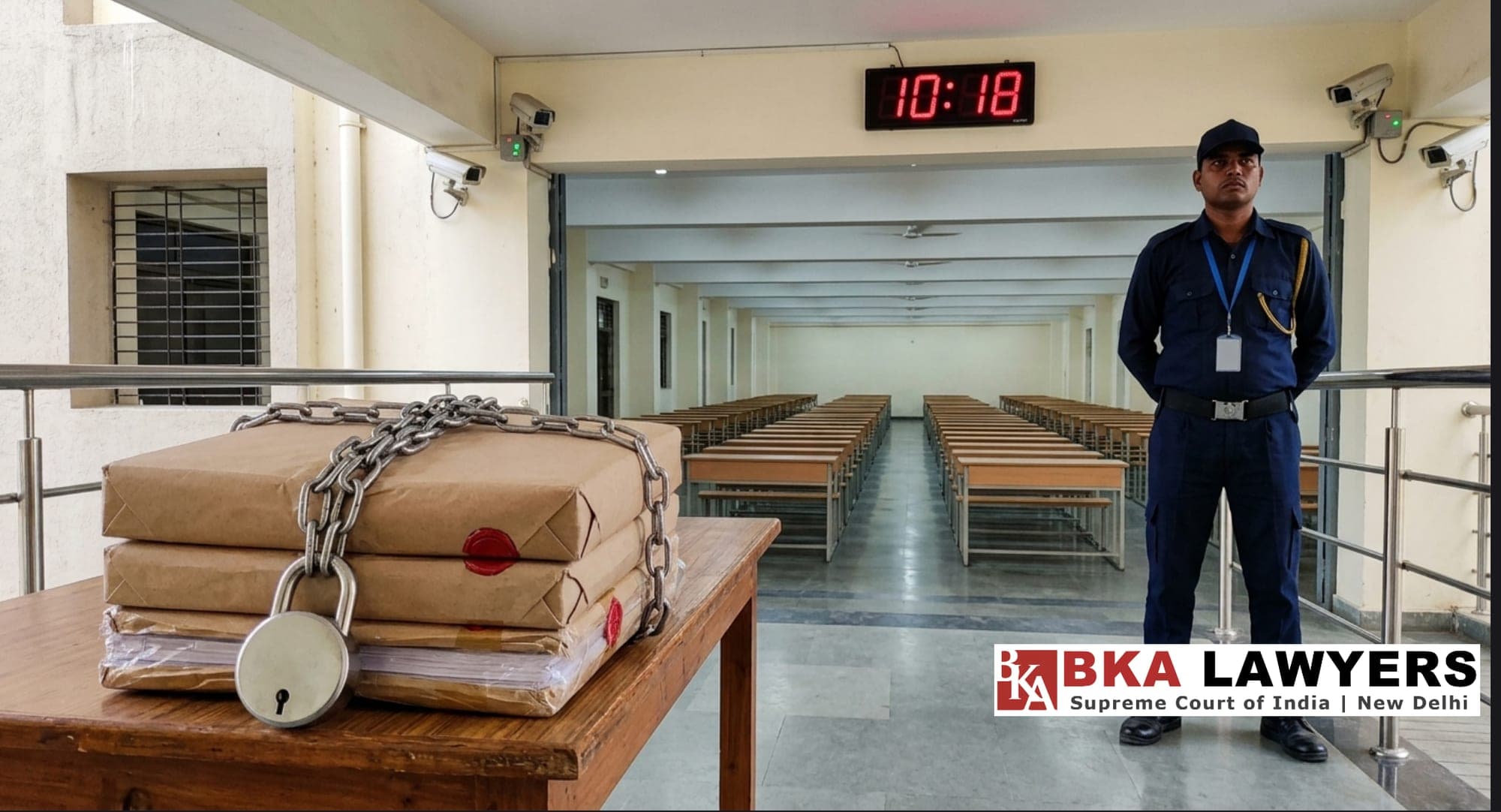
India's fight against examination paper leaks has taken a significant leap forward with the 2026 amendment to the anti-paper leak law. Building on the foundation laid by the 2024 Act, this amendment tightens the noose around offenders and introduces provisions designed to prevent leaks before they happen. If you're a student, parent, or education administrator, understanding these changes is crucial—they affect how exams are conducted and what happens when things go wrong.
What the 2024 Act Did
The Public Examinations (Prevention of Unfair Means) Act, 2024, was a landmark piece of legislation. It defined "unfair means" broadly, covering everything from leaking question papers to impersonation and tampering with answer sheets. The Act made such offenses cognizable, non-bailable, and non-compoundable, meaning police could arrest without a warrant, bail wasn't a matter of right, and the cases couldn't be withdrawn. It also created a robust framework for investigating and prosecuting offenders, including a provision for the central government to conduct inquiries.
Key Changes in the 2026 Amendment
The 2026 amendment is not a complete overhaul but a strengthening of the existing framework. Here are the most significant changes:
Expanded Definition of Offenses – The amendment broadens the scope of "unfair means" to include digital modes of cheating, such as using sophisticated electronic devices or hacking into examination servers. It also criminalizes the act of 'causing a leak' by omission—if a service provider or exam authority fails to secure question papers, they can be held liable.
Increased Penalties – While the 2024 Act prescribed a maximum of 10 years imprisonment and a minimum of 3-5 years, the 2026 amendment raises the minimum sentence to 5 years for repeat offenders. Fines have also been increased substantially, now reaching up to ₹1 crore for organizations involved in paper leaks.
Mandatory Institutional Liability – A major shift is the introduction of vicarious liability. The amendment states that if a paper leak occurs, the examination authority or institution will be presumed guilty unless they prove they took all reasonable precautions. This places a heavy burden on educational bodies to implement robust security protocols.
Why the Amendment Was Necessary
Despite the 2024 Act, paper leaks continued to plague exams like NEET and UGC-NET. The parliamentary committee reviewing the Act found two critical gaps: first, the Act didn't cover technology-driven leaks explicitly, and second, penalties were not a sufficient deterrent. The 2026 amendment directly addresses these shortcomings by introducing provisions that keep pace with evolving methods of cheating.
What This Means for You
If you are an exam aspirant, the message is clear: the law is now far more stringent. For educational institutions, the amendment is a wake-up call to tighten internal procedures or face legal consequences. The amendment also encourages the use of sanctuaries and secure digital platforms for exam delivery, reducing the risk of physical leaks.
The 2026 amendment is a powerful tool in ensuring the integrity of public examinations. Its success will depend on vigilant implementation and the willingness of institutions to adapt. If you ever find yourself involved in a paper leak case—whether as a student, an official, or an institution—it is wise to seek legal counsel promptly.
The anti-paper leak law is now a formidable deterrent, but legal complexities remain. If you have questions or need guidance on compliance or defense, BKA Lawyers can help you navigate these regulations with confidence.
Facing a similar situation? Talk to a BKA advocate before you act.
Chat on WhatsAppNeed help with this?
Our Civil Law services
Frequently Asked Questions
What is the new penalty for paper leak offenses under the 2026 amendment?
The 2026 amendment increases the minimum sentence for repeat offenders to 5 years imprisonment, up from 3-5 years under the 2024 Act. Fines can now reach ₹1 crore for organizations involved in leaks.
How does the 2026 amendment hold institutions accountable for paper leaks?
The amendment introduces vicarious liability, meaning exam authorities are presumed guilty of a leak unless they can prove they took all reasonable precautions. This shifts the burden of proof onto the institution.
Does the 2026 amendment cover online cheating and digital leaks?
Yes, the definition of 'unfair means' now explicitly includes digital modes of cheating, such as hacking into servers or using advanced electronic devices to obtain question papers before the exam.
What were the main gaps in the 2024 Act that the 2026 amendment addresses?
The 2024 Act did not specifically address technology-driven leaks and its penalties were seen as insufficient deterrents. The 2026 amendment broadens the definition of offenses and increases penalties to close these gaps.
If I am a student accused of being part of a paper leak, what should I do?
Seek legal counsel immediately. The offenses are non-bailable, so you must cooperate but also protect your rights. A lawyer can guide you through the investigation and ensure you're not unfairly implicated.

About the author
Binod K. Agrawal
Founding Advocate · Civil Cases & Property Disputes
Binod K. Agrawal is the founding advocate of BKA Lawyers, with extensive experience handling high-stakes litigation across civil, criminal, and commercial matters before the Delhi High Court, District Courts, and Supreme Court of India.
More about our team →Related Articles

Hiding a Live-In Relationship or a Child From a Prospective Bride: What the Kerala High Court Has Now Said
The Kerala High Court has held that concealing a live-in relationship or an existing child from a prospective bride can amount to obtaining consent to sex by deceitful means. Here is what the ruling means, in plain English, and what both sides should know before a marriage is arranged.
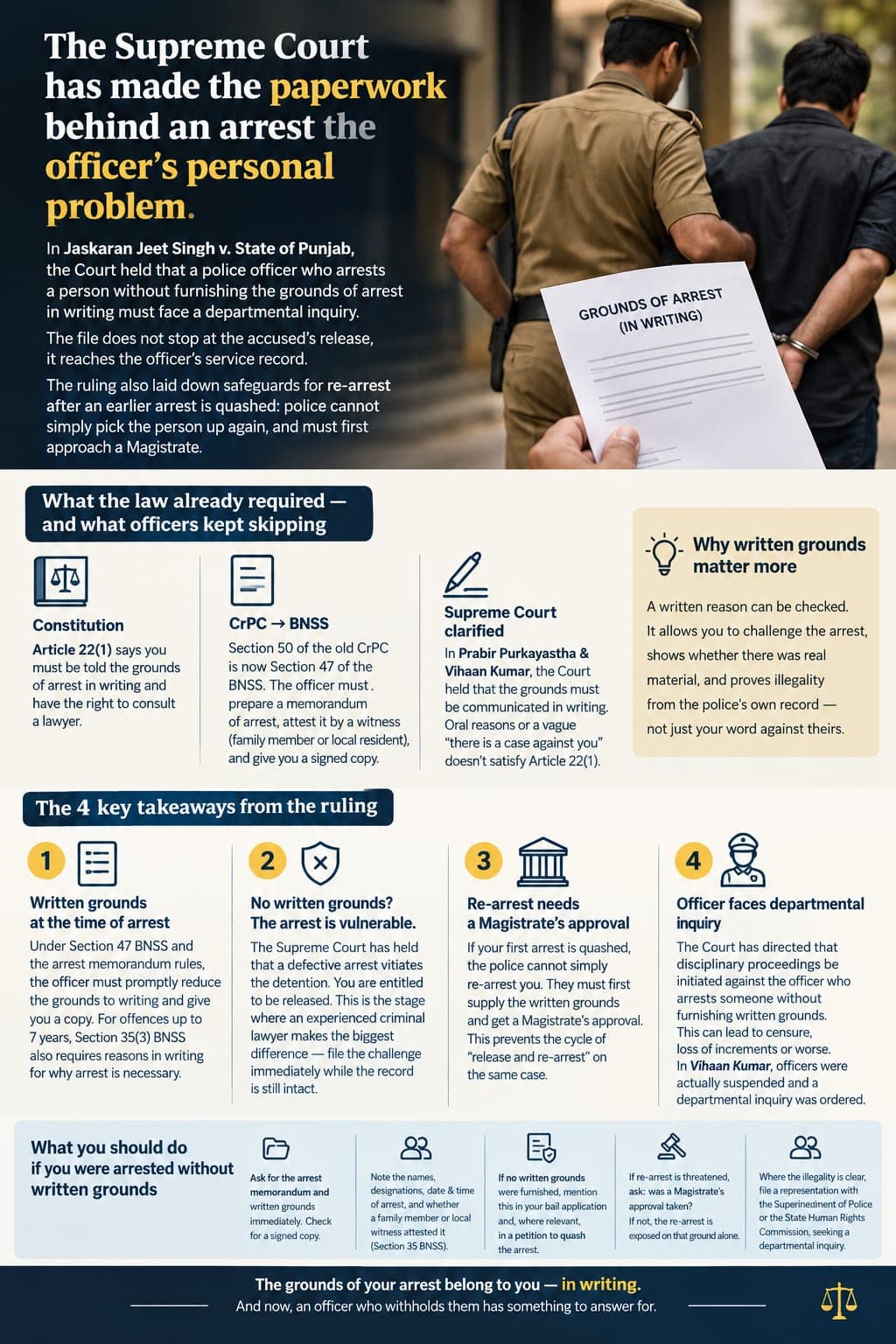
Arrest Without Written Grounds: Why the Supreme Court Says the Officer Must Face a Departmental Inquiry
A police officer who arrests you without handing over written grounds of arrest now faces a departmental inquiry. Here is what the Supreme Court's ruling means for your rights under Article 22(1), Section 35 BNSS and Section 58 BNSS.
Arbitration and Settlement in India: A Practical Guide
Understand how arbitration works in India under the Arbitration and Conciliation Act, 1996, including settlement options, enforceability, and practical steps for resolving disputes outside court.