
Samay Raina and Criminal Liability for Offensive Online Content: What Creators Need to Know
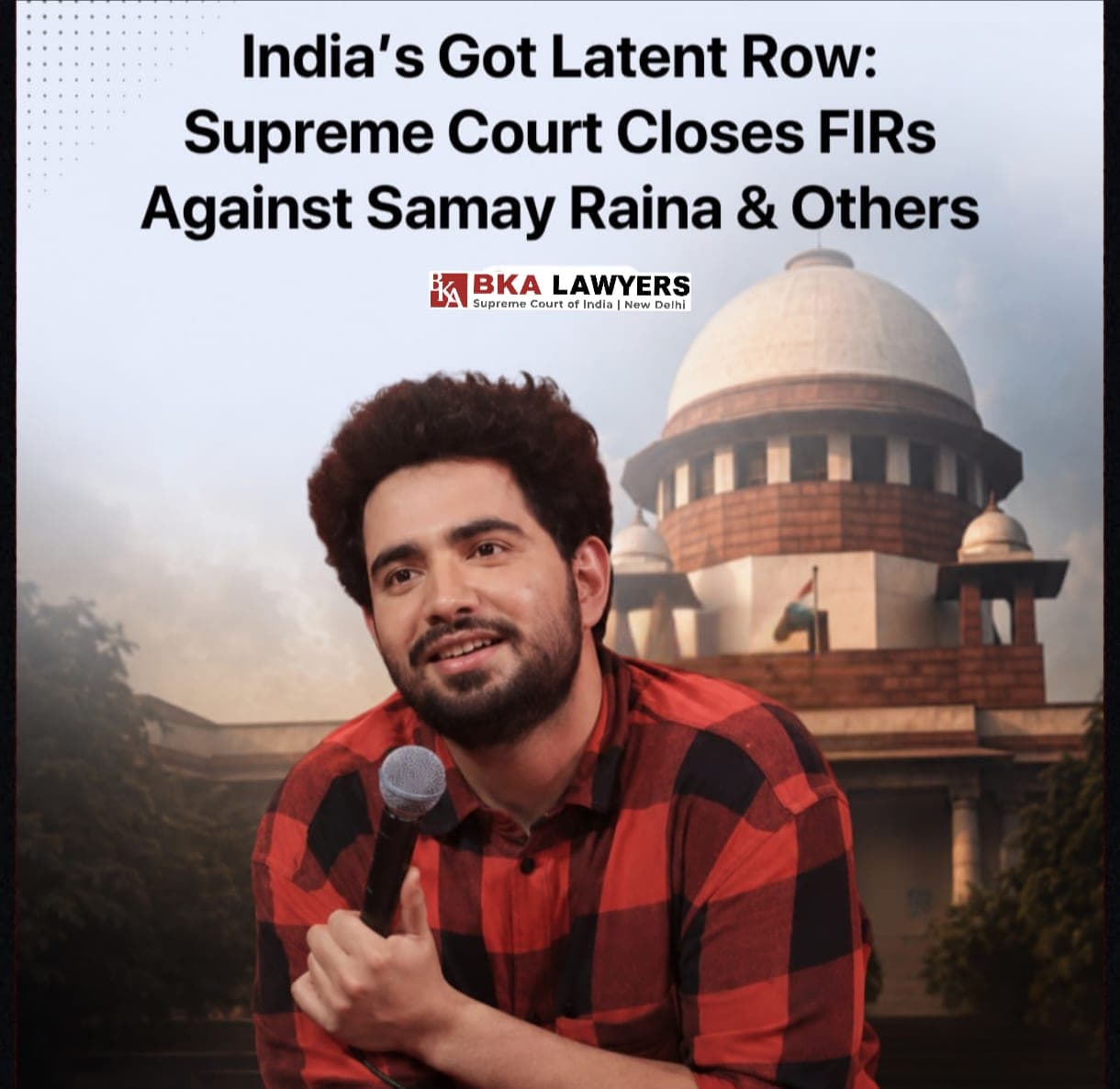
The controversy around Samay Raina's show 'India's Got Latent' is a wake-up call for every content creator in India. A joke that crossed the line led to multiple FIRs, a Supreme Court intervention, and a hefty fine. More importantly, it exposed how easily online speech can attract serious criminal charges under Indian law. This isn't about chilling comedy—it's about understanding the legal lines drawn by the Indian Penal Code (now largely replaced by the Bharatiya Nyaya Sanhita) and the Information Technology Act. If you create content, you need to know these risks.
The Trigger: What Happened in the 'India's Got Latent' Case
The trouble began when a contestant on Raina's show made crude remarks about a celebrity's family. The clip went viral, sparking outrage and a series of FIRs against Raina and others. The Supreme Court came down heavily on the comedians, calling the remarks 'brazen' and imposing a ₹3 lakh fine on each for violating an undertaking to engage with the Cure SMA Foundation. The Court warned that failure to comply within 15 days would escalate the cost to ₹30 lakh. This shows that courts are not just punishing the original speaker but also those who host, promote, or arguably fail to control such content.
Step 1: Identify Which Law Applies to Your Content
Two main legal frameworks govern offensive online content in India. The first is the Bharatiya Nyaya Sanhita (BNS), 2023, which replaced the Indian Penal Code. Sections like Section 196 (promoting enmity between groups), Section 299 (obscene acts), and Section 302 (defamation) can be triggered by inflammatory or obscene posts. The second is the Information Technology Act, 2000, where Section 67 penalizes publishing or transmitting obscene material online, and Section 66A (now struck down) once criminalized offensive messages—the Supreme Court killed it, but authorities still try to use other provisions. IT rules also impose due diligence obligations on intermediaries like YouTube, which means platforms and creators share responsibility.
Step 2: Understand the Procedure from FIR to Trial
Once an FIR is filed, the police investigate, and if they find merit, they file a chargesheet. For bailable offenses, you can get bail quickly. For non-bailable ones, bail is at the court's discretion. In Samay Raina's case, the Supreme Court didn't jail anyone but imposed financial penalties and strict compliance orders. The process can drag on for years, affecting your reputation and career. It's crucial to act fast: don't ignore summons, don't delete evidence (that's obstruction), and do engage a criminal defense lawyer immediately.
Step 3: Build Your Defense: Freedom of Speech vs. Criminality
Article 19(1)(a) guarantees free speech, but Article 19(2) allows "reasonable restrictions" for decency, morality, defamation, and public order. A joke is protected if it's a fair comment on a matter of public interest, not if it's obscene, defamatory, or incites hatred. Courts apply a test: would the ordinary person find it seriously offensive or harmful? In Raina's case, the Court didn't buy the "it's just a joke" defense. A strong defense might argue lack of mens rea (intent), that the content was taken out of context, or that the alleged offense doesn't meet the legal threshold. But the best defense is prevention.
Step 4: Take Practical Steps to Minimize Legal Risk
If you're a creator, here's what you can do. First, run your content past a media lawyer before publishing—especially if it touches religion, sex, or specific individuals. Second, use clear disclaimers and age-gating on your platforms. Third, respond swiftly to complaints: take down offending content, issue an apology if warranted, and cooperate with authorities. In the Raina case, the Supreme Court directed the comedians to engage with Cure SMA Foundation—a charity—which suggests a trend toward restorative justice. Proactive steps can often defuse the situation before it escalates to a criminal trial.
The Bigger Picture: Why This Case Matters
This isn't just about one comedian. The Supreme Court's stiff fine is a signal: online creators are being held to a higher standard. The line between edgy comedy and criminal offence is thin, and the courts are increasingly unwilling to tolerate 'shock value' that crosses into obscenity or defamation. For lawyers, it's a growing area of practice—defending and advising digital creators. For creators, it's a warning that 'I didn't write the joke' isn't a shield; hosting and promoting offensive content can be just as risky. The law is still evolving, but one thing is clear: ignorance isn't a defense.
Final Thoughts from BKA Lawyers
If you're a content creator facing an FIR, or if you want to avoid one, get legal advice early. The Samay Raina case shows that the legal process is fast and unforgiving when courts are involved. BKA Lawyers in Delhi NCR can help you navigate these charges, negotiate with authorities, and build a robust defense. Don't let a joke ruin your career—know your rights, and know the law.
Facing a similar situation? Talk to a BKA advocate before you act.
Chat on WhatsAppNeed help with this?
Our Criminal Defence services
Frequently Asked Questions
Can I be jailed for an offensive joke on my YouTube channel?
Yes, if the joke falls under obscenity, defamation, or incitement under the BNS or IT Act. Non-bailable offenses can lead to arrest, but courts often grant bail with conditions. The Samay Raina case shows that financial penalties and compliance orders are also common.
Who is liable if I only host or promote offensive content, not create it?
Hosts, promoters, and even platforms can be held liable under Indian law. In the Raina case, the Supreme Court fined the comedians collectively, and intermediaries must follow due diligence rules. If you repost or host something illegal, you may face charges.
What should I do if an FIR is filed against me for online content?
Don't panic. Hire a criminal defense lawyer immediately, do not delete or alter evidence, and don't ignore summons. Your lawyer can file for anticipatory bail, quash the FIR if it's frivolous, or negotiate a settlement. Acting fast can prevent escalation.
Can I use 'freedom of speech' as a defense for offensive content?
Freedom of speech under Article 19(1)(a) is not absolute. Reasonable restrictions apply for decency, morality, defamation, and public order. If your content is genuinely obscene or harmful, courts will reject the defense. But if it's a fair comment on public interest, it may be protected.
What are the specific sections I need to worry about as an Indian creator?
Common ones include Section 67 of the IT Act for obscene online content, and BNS sections like 299 (obscenity), 302 (defamation), and 196 (promoting enmity). The exact charge depends on the content. Consulting a lawyer is the safest way to know your exposure.
Is there a way to settle an FIR for offensive content?
For defamation, the case is compoundable, meaning the complainant can settle. For other offenses, it depends. Courts may also accept. In Raina's case, the Supreme Court directed the comedians to work with a charity—a form of restorative justice. Settlement often requires the victim's cooperation.

About the author
Ujjwal Agrawal
Advocate · Commercial & Money Recovery Cases
Ujjwal Agrawal focuses on commercial litigation and money recovery, including cheque bounce cases under the Negotiable Instruments Act and recovery suits for individuals and businesses.
More about our team →Related Articles
Cross-Examining Police Witnesses in a False FIR: A Step-by-Step Defence Guide
A practical walkthrough of how defence counsel dismantles police testimony in a false 498A or SC/ST Act FIR — from securing the case diary to locking the investigating officer into contradictions under Section 162 CrPC and Section 145 of the Bharatiya Sakshya Adhiniyam.
Can Police Still Register an FIR After Your Section 156(3) Application Is Rejected? Here's What the Supreme Court Just Clarified
The Supreme Court recently held that police can register an FIR even if a Magistrate has rejected a complaint's application under Section 156(3) CrPC. Learn what this means for your case, the legal reasoning, and practical steps for complainants.
No Evidence? No Problem: Why Police Must Register Your FIR in Sexual Harassment Cases
The Allahabad High Court recently reaffirmed that police cannot refuse to register an FIR in sexual harassment cases merely because the complainant hasn't produced evidence like WhatsApp chats or call recordings. This article explains the legal basis, what the law requires, and what to do if the police refuse to register your complaint.