
Wife Earning No Reason To Reduce Father's Liability To Maintain Children: Supreme Court — Does Your Wife's Income Let You Off the Hook? What the Supreme Court Really Said
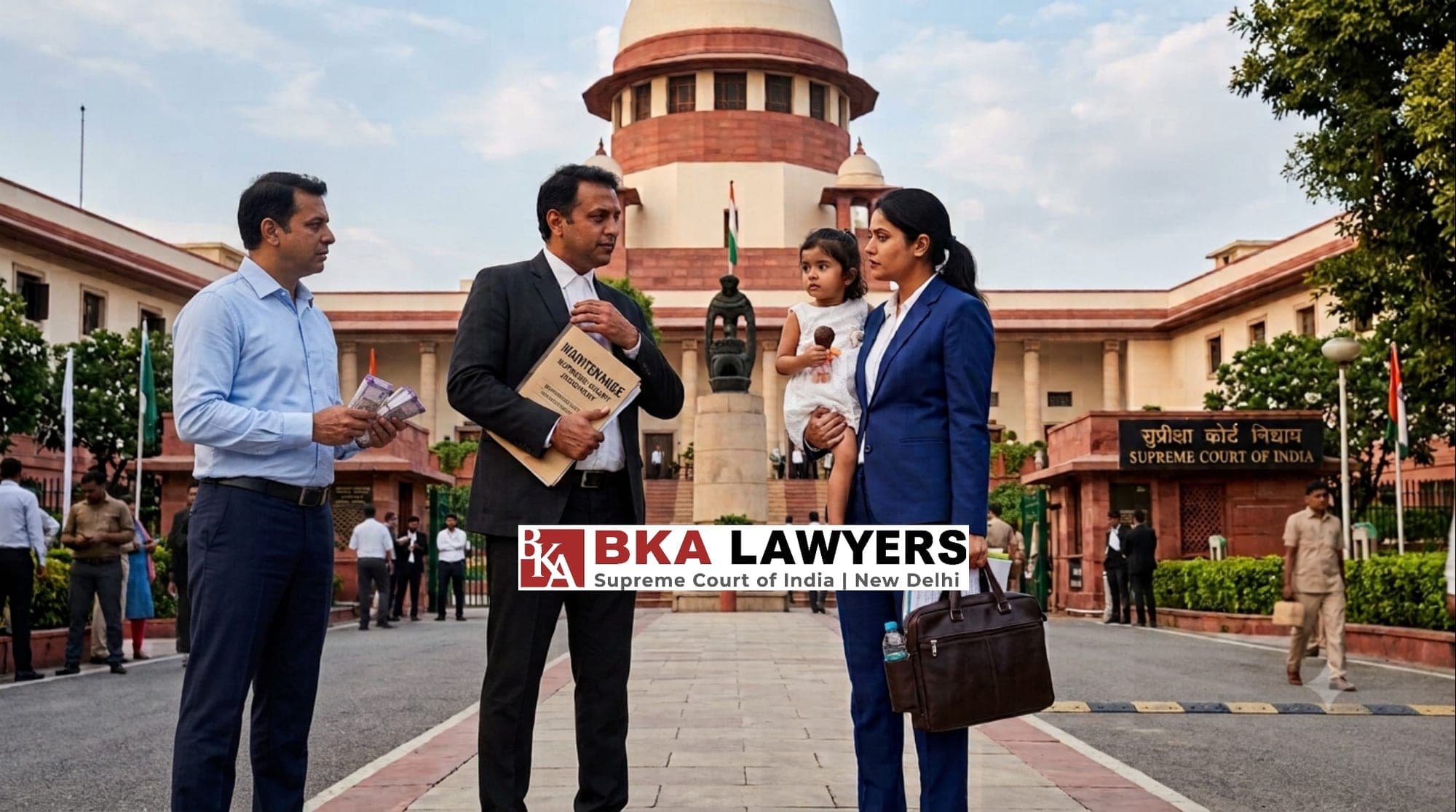
A common misconception among fathers is that if the wife earns, they can reduce or escape child maintenance. The Supreme Court has squarely rejected this. In a recent ruling, the Court held that a wife's income is no ground to reduce a father's liability to maintain his children. This principle is rooted in the independent and primary obligation of a father to support his children, regardless of the mother's financial status.
The Supreme Court's Stance on Wife's Income
The Supreme Court has been categorical: the father's duty to maintain his children is absolute and cannot be diluted by the mother's earning capacity. This position aligns with the statutory framework under Section 125 of the Code of Criminal Procedure, 1973 (now Section 144 of the Bharatiya Nagarik Suraksha Sanhita, 2023), which casts an obligation on a person having sufficient means to maintain his legitimate or illegitimate minor children, irrespective of whether the child's mother is employed.
Key Judgments on Maintenance
In multiple cases, courts have reiterated that a wife's employment or independent income does not negate the husband's duty. For instance, the Delhi High Court held that merely because a wife can earn is not a justifiable reason to reduce her maintenance. The Supreme Court, in cases like Deepa Joshi v. Gaurav Joshi, enhanced maintenance from ₹15,000 to ₹25,000, underscoring that maintenance must be realistic and consider the spouse's standard of living.
Loan Repayments and Financial Commitments
Another crucial aspect is that financial commitments like loan EMIs cannot reduce maintenance liability. The Supreme Court observed that deductions for loan repayments, especially those creating assets, are not on par with necessary expenditure and cannot justify lower maintenance. This ensures that fathers cannot use their financial planning to shirk their duty.
Why Parental Duty is Independent
The father's obligation to maintain children is a personal and statutory duty. It is not conditioned upon the mother's ability to provide. Children have a right to be maintained by both parents, but the father cannot shift his share onto the mother. This is particularly important in cases where the mother's income is insufficient or she has custodial responsibilities that limit her earning potential.
Practical Implications for Fathers
If you are a father wondering whether your wife's income can reduce your child maintenance, the answer is generally no. Courts will assess your income and means, the child's needs, and the standard of living. You cannot escape this duty by pointing to your wife's salary. Even if you have lost your job or taken a pay cut, you must seek a formal modification from the court, not assume your obligation disappears.
Conclusion
The Supreme Court's message is clear: a wife's earning capacity does not let a father off the hook. Maintenance is about the child's welfare, not a financial tug-of-war between parents. If you have questions about your specific maintenance obligations, it is wise to consult a family law expert to understand your rights and duties under the law.
Facing a similar situation? Talk to a BKA advocate before you act.
Chat on WhatsAppNeed help with this?
Our Family Law services
Frequently Asked Questions
If my wife earns more than me, can I stop paying child maintenance?
No. The Supreme Court has clearly held that the wife's earning capacity is no reason to reduce or eliminate a father's liability to maintain his children. Your duty to maintain your children is independent and primary, regardless of your wife's income.
Can my loan EMIs be deducted from my income to reduce maintenance?
Generally, no. Courts have held that loan repayments, especially those for asset creation, are not treated as necessary expenditure and cannot be used to reduce your maintenance obligation. You are expected to prioritize maintenance over discretionary financial commitments.
What factors do courts consider when fixing child maintenance?
Courts consider the father's income and earning capacity, the child's needs and standard of living, and the mother's ability to contribute, but her income does not absolve the father. The overall aim is to ensure the child's welfare and maintain a lifestyle similar to what they would have enjoyed.
Does the law apply to children born outside marriage?
Yes. Under Section 125 CrPC (now Section 144 BNSS), the obligation to maintain minor children extends to legitimate and illegitimate children alike. The father's duty to maintain his children is not limited by the marital status of his relationship with the mother.
I have lost my job, can I reduce my maintenance payments?
You can approach the court seeking a modification of the maintenance order if you can demonstrate a substantial change in circumstances, such as loss of employment. However, you cannot unilaterally stop paying. The court will assess your new financial situation and adjust the amount if justified.

About the author
Ujjwal Agrawal
Advocate · Commercial & Money Recovery Cases
Ujjwal Agrawal focuses on commercial litigation and money recovery, including cheque bounce cases under the Negotiable Instruments Act and recovery suits for individuals and businesses.
More about our team →Related Articles
Supreme Court and High Court Rulings on Maintenance When the Wife Has Her Own Income
A wife's salary, flat or car does not automatically shut down her maintenance claim. What the Supreme Court and High Courts have actually held on maintenance where the wife earns, and how the courts decide.
Interim vs Permanent Maintenance: When Can a Husband Legally Reduce or Stop Payments?
Maintenance cannot be stopped at will. This explainer sets out when a husband can lawfully seek reduction or cancellation, and when non-payment is simply illegal.
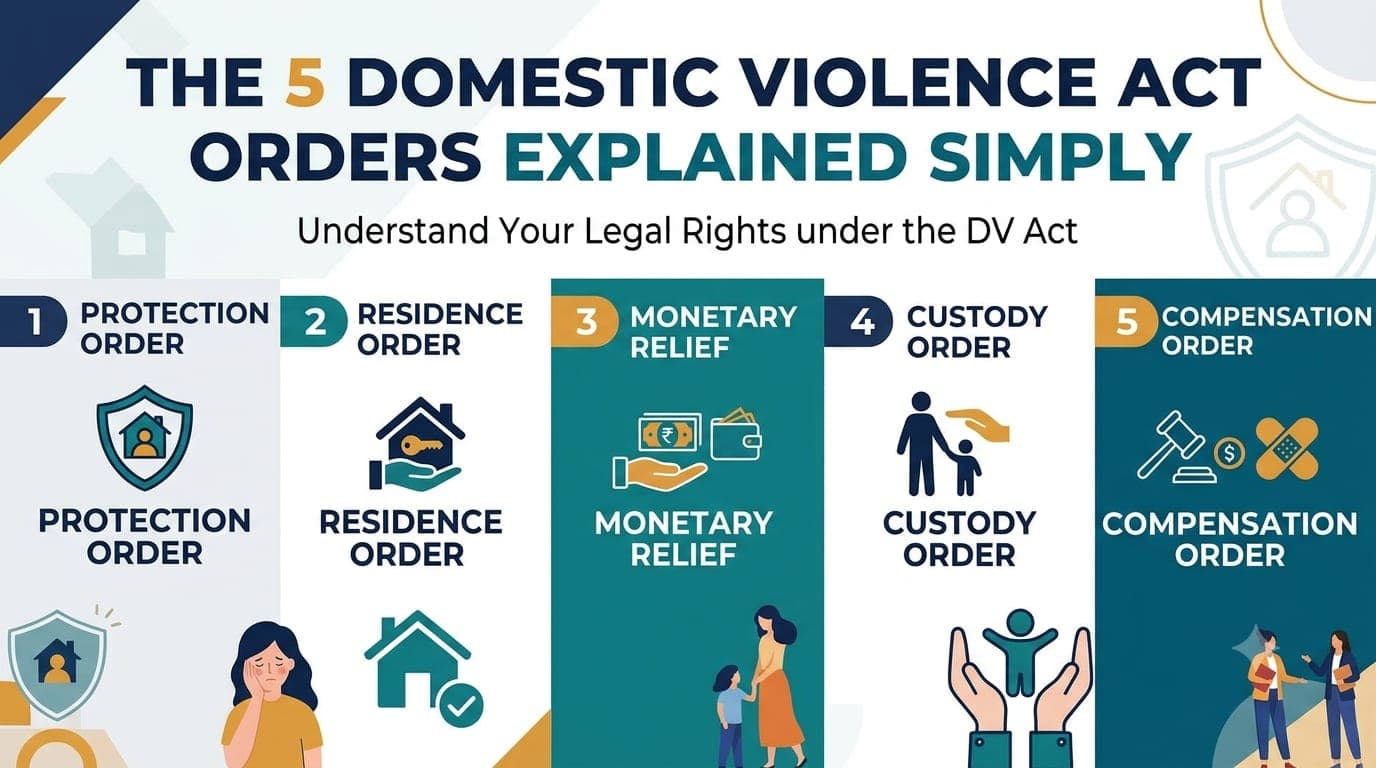
The 5 PWDVA Orders Explained Simply: Protection, Residence, Monetary Relief and More
A plain-English breakdown of the five orders a court can pass under the Protection of Women from Domestic Violence Act, 2005, and how they sit alongside Section 498A of the IPC (now Section 85 of the BNS).